
Siding Contractor in Temple, TX Built for Hail, Heat & Shifting Clay Soil
Temple is hard on siding. Spring supercells push hail and straight-line wind up the I-35 corridor. July and August highs sit in the upper 90s and fade or warp cheap vinyl on west walls. The Blackland clay under your slab swells after a downpour and shrinks during drought, which opens gaps where siding meets brick. Temple Siding Pros installs James Hardie, fiber cement, vinyl and engineered wood siding with proper house wrap and flashing, so your exterior can take Central Texas weather and still keep water out of the walls.
Since 2020 our crews have worked on Temple's railroad-era bungalows near downtown, mid-century ranches in South Temple and newer brick-front homes in Westfield and Hills of Westwood. We also work on lake homes in Morgan's Point Resort, historic properties in Salado and farmhouses out in Troy and Little River-Academy. We replace rotted wood trim, swollen hardboard, and tired soffit and fascia while keeping the character of the house. Every job comes with a detailed estimate, help choosing colors and a clean job site.
- ✓Serving Temple and Bell County since 2020
- ✓Bonded contractor
- ✓Fully insured crews
- ✓Financing available
- ✓Detailed written estimates on every project
- ✓Color guidance included
- ✓Work within a 20-mile radius of Temple
Request Your Free Estimate
No obligation. Fast, honest quotes.
Thank you — your request was sent!
A member of the Temple Siding Pros team will reach out shortly. Need help now? Call (254) 503-4337.
Why Temple Homes Need Siding Built for Central Texas
Siding that does fine in milder places often fails early in Temple. Hail, long stretches of 100°F days, heavy rain that comes all at once and expansive Blackland clay all hit the same house. Each one calls for different materials and installation details.
Hail, Heat and Hard Rain on the Blackland Prairie
Temple sits around 700 feet up on the Blackland Prairie, inside the Central Texas hail corridor. From March through June, supercells regularly drop large hail that cracks vinyl, dents aluminum and steel, and chips the paint on fiber cement. July and August highs average in the mid-to-upper 90s, and runs of 100°F+ days are normal. Add strong UV and you get chalked finishes and oil-canned vinyl, especially on south and west walls. The area gets about 34–36 inches of rain a year, but most of it comes in heavy spring and fall storms. That wind-driven water finds every poorly flashed window head and J-channel. Winters are mostly mild, but the February 2021 freeze showed what can happen: cold vinyl can shatter, and a burst pipe can soak the siding from inside the wall.
Clay Soil, Termites and Temple's Housing Eras
Houston Black clay can swell and shrink enough to move foundations from one season to the next. On the house, you see that as stair-step cracks in brick, torn caulk joints and siding pulling away from trim. Temple's housing covers well over a century. There are 1900s Victorians and Craftsman bungalows near downtown and the old Santa Fe rail corridors, plus postwar ranches with asbestos-cement gables. Many 1970s–80s homes have Masonite-type hardboard or T1-11 that's rotting at the bottom courses. The I-35 growth of the 1990s and 2000s added builder-grade vinyl over thin OSB with very little flashing. Subterranean termites stay active all year, so any wood close to the soil is at risk.
Permits, HOAs and Historic Review
Texas doesn't license residential siding contractors, so bonding, insurance and a local track record matter more here. The City of Temple and the City of Belton require permits for re-siding work that involves sheathing or structural changes. Both enforce the IRC rules for weather-resistive barriers, flashing at openings and clearance to grade. HB 2439 (2019) limits city masonry mandates, but HOAs in newer Temple, Belton and Salado subdivisions still control material, color and masonry percentage. Designated landmarks in Temple, the Downtown Belton Historic District and Salado's village core may need review before work starts. Pre-1978 homes fall under EPA lead-safe RRP rules, and asbestos-cement siding has to be handled and disposed of under state and federal requirements.
A Growing, Value-Conscious Market
Temple had about 82,000 people at the 2020 Census and has grown quickly since, with Baylor Scott & White, the VA and McLane anchoring the local economy. Families connected to Fort Cavazos in Nolanville and western Belton often fix up homes before a PCS move, sale or rental. Retirees in Salado and Morgan's Point Resort tend to choose premium materials, while owners in the rural towns care most about price. Investors want siding that needs little upkeep. Home values are still below Austin's but climbing, so curb appeal and resale value matter to almost everyone.
Common Siding Problems We See Around Temple
Most siding calls in Bell County trace back to a short list of causes: hail, heat, water getting into walls, moving soil and aging materials. Here's what each problem looks like, why it's so common here and how serious it usually is.
Hail-Cracked and Punctured Siding Serious
Impact damage from spring hailstorms. It shows up as cracked or holed vinyl, dented aluminum and steel, and chipped paint on fiber cement. Once the siding is broken, rain can get behind it and reach the house wrap and sheathing.
Why it's common hereBell County is in the Central Texas hail corridor, and March–June supercells regularly drop large hail across Temple, Belton and the rural towns. Builder-grade vinyl from the 1990s–2000s growth boom is thin and gets brittle with age and UV exposure, so it breaks more easily. Many local policies have percentage-based wind/hail deductibles, and some discontinued vinyl colors are hard to match, so homeowners often need help documenting damage and arguing for replacing a full wall instead of patching it.
Signs you'll notice- Round holes or spiderweb cracks in vinyl
- Dents in aluminum siding, gutters or metal trim
- Chipped paint dots on fiber cement
- Panel pieces lying in flowerbeds after a storm
- Dents on AC fins or window wraps on the same side of the house
- Chalky panels with fresh, brighter impact marks
We see this most on north- and west-facing walls in Westfield, Hills of Westwood and Lake Pointe after spring storm lines. Older aluminum-clad homes in South Temple and metal-sided shops around Troy and Rogers also show heavy denting after big hail events.
Our fix: We document the damage with photos and measurements and meet with your adjuster. Then we replace damaged panels or full walls with matched or upgraded, impact-resistant material.
Rotted Hardboard and T1-11 Siding Serious
Masonite-type hardboard and T1-11 plywood panels that soak up water, swell, delaminate and rot. It usually starts at the drip edges, the bottom courses and anywhere the siding is close to soil or mulch.
Why it's common hereHardboard and T1-11 were installed on a lot of Temple and Belton homes in the 1970s and 1980s. Heavy spring and fall downpours soak the bottom edges, and lawn sprinklers keep them wet. On clay lots, water often drains back toward the slab, so the lowest courses rarely dry out. After decades of that, the siding turns soft, and it often hides rotted sheathing and termite tunnels. That's why the job tends to get bigger once the walls are opened up.
Signs you'll notice- Swollen, mushroomed bottom edges
- Flaking or bubbling paint on the lower courses
- Soft spots you can push a screwdriver into
- Visible wafer or plywood layers separating
- Mud tubes near the base of the wall
- Siding sitting at or below the soil line
This is common in 1970s–80s subdivisions in South and West Temple and older parts of Belton, and on rental homes that haven't been painted in years. It's worst on walls facing sprinkler zones and on downhill sides where clay holds moisture.
Our fix: We remove the failed panels, repair rotted sheathing and framing, add house wrap and proper ground clearance, and re-side with fiber cement or engineered wood.
Gaps From Foundation Movement Moderate
Openings where siding meets brick, trim or window frames, caused by the house shifting on expansive clay. Caulk joints tear, trim pulls loose and water gets into the gaps.
Why it's common hereHouston Black clay expands when it's wet and shrinks during drought, so foundations in Temple move every year. Many homes here are "brick on the front, siding everywhere else," which means a lot of brick-to-siding joints that can open up. Rigid installs with no room for movement crack quickly. Part of our job is figuring out whether you have a siding problem or a foundation problem that needs a structural specialist first.
Signs you'll notice- Stair-step cracks in brick veneer next to siding
- Torn or separated caulk at corners and trim
- Doors or windows that stick or look out of square
- Daylight gaps at window and door trim
- Siding seams that have spread apart
We see this all over town, especially in South Temple ranches and in 1990s–2000s brick-front homes along the I-35 corridor in Temple, Belton and Nolanville. It usually gets worse after a long summer drought.
Our fix: We re-detail the transitions with flexible sealants, backer rod and flashing that can handle movement. If there are signs of a structural issue, we'll tell you to have the foundation evaluated first.
Heat-Warped and Faded Vinyl Moderate
Vinyl panels that wave, sag or oil-can from heat, along with color that fades unevenly or turns chalky under strong UV. The panels also get more brittle over time.
Why it's common hereWith long stretches of 100°F+ days and strong Central Texas sun, siding surface temperatures get very high, especially on south and west walls. Reflections from low-E windows, dark roofs and nearby glass can concentrate heat on vinyl. Panels that were nailed too tight can't expand, so they buckle. Darker builder-grade colors fade fastest.
Signs you'll notice- Rippled or wavy panels on sunny walls
- Melted or distorted spots near windows
- Uneven fading from one wall to another
- Chalky residue on your hand
- Panels popping out of the J-channel
This is common on 1990s–2000s builder vinyl in Temple and Nolanville, especially west-facing back walls and second-story gables. We also see melt spots on homes next to a neighbor's low-E windows in tightly spaced newer subdivisions.
Our fix: We replace damaged panels with heat-resistant vinyl, installed loose enough to move, or switch the wall to fiber cement with a factory finish made to hold up to sun.
Termite and Pest Damage to Wood Siding and Trim Serious
Subterranean termites eating into siding, trim and sill plates near the ground, plus woodpecker holes and carpenter bee tunnels in cedar and wood trim.
Why it's common hereTermites stay active all year in Temple's climate. Siding that sits too close to the soil, mulch piled against the wall and wet clay give them easy access. Homes near the creek greenbelts and Lake Belton also see woodpeckers and carpenter bees going after cedar and soft wood trim.
Signs you'll notice- Mud tubes on the foundation or siding
- Hollow-sounding trim when tapped
- Neat round holes in fascia or cedar
- Sawdust below trim boards
- Pecked holes in cedar siding
Older wood-frame homes near Historic Downtown Temple, lake cabins in Morgan's Point Resort and farmhouses around Little River-Academy and Heidenheimer see the most of this damage.
Our fix: Once pest treatment is done, we replace the damaged wood, restore proper clearance to grade and use fiber cement or treated, sealed materials in the problem areas.
Aging Soffit, Fascia and Gable Siding Minor
Peeling, sagging or rotted soffit and fascia boards, plus worn siding on gables and chimney chases. These areas are often the only siding on brick-front homes.
Why it's common hereA lot of Temple's homes have brick on the walls, so most of the siding is high up on gables, eaves and chases. Those spots get the most sun and the most runoff from clogged gutters, and they're the easiest to ignore. Mid-century ranches may still have original wood or asbestos-cement on the gables.
Signs you'll notice- Peeling paint along the eaves
- Sagging or missing soffit panels
- Birds, wasps or squirrels getting into the attic
- Dark stains behind the gutters
- Gable siding with cracks or gaps
This shows up on postwar ranches in South and West Temple and on 1990s brick-front homes across Temple, Belton and Nolanville. It's often found during pre-sale inspections for military families getting ready for a PCS move.
Our fix: We replace the rotted boards and install vented soffit, wrapped or fiber cement fascia and new gable siding that matches or improves on the rest of the house.
Siding Services for Temple and Central Texas Homes
We offer a full range of siding, trim and exterior services. For each one, we pick materials that fit Temple's hail, heat and clay soil, along with your budget, HOA rules and the style of the house. We install every system over a proper weather barrier with flashing at every opening.
James Hardie Siding Installation ⭐ Specialty
We install James Hardie fiber cement lap, panel and trim products as a full wall system, covering everything from a single elevation to a whole-house re-side.
Our approachWe use proper fastening schedules, house wrap, flashing at window heads and kick-outs, and the required clearance to grade and roof lines. We also offer factory finishes made to hold color in strong sun.
In Temple, TXHardie resists termites, won't melt from reflected heat and holds up to hail far better than builder-grade vinyl. That's why it's the standard in newer Westfield, Belton and Salado subdivisions and a common upgrade from old hardboard.
Best for: Homeowners replacing rotted hardboard or hail-damaged vinyl who want a long-lasting, low-maintenance exterior that adds resale value.
Fiber Cement Siding Installation ⭐ Specialty
We install fiber cement lap, shingle and panel siding from several manufacturers, primed or pre-finished.
Our approachWe cut with dust control, set gaps at butt joints and use caulk and flashing details that allow for movement. We paint with systems made for Texas UV.
In Temple, TXFiber cement won't burn, won't feed termites and doesn't rot when sprinklers keep the base of the wall wet. That makes it a strong choice on Temple's clay lots.
Best for: Homes in hail and termite areas, rental properties and owners who want the look of painted wood without the rot.
Vinyl Siding Installation
We install standard, premium and insulated vinyl in heavier gauges and heat-resistant formulas.
Our approachWe hang panels loose so they can expand, use proper J-channel and flashing, and recommend lighter or heat-rated colors for sunny walls.
In Temple, TXThicker heat-resistant vinyl doesn't oil-can on west walls the way builder-grade panels do, and insulated vinyl helps with summer cooling costs.
Best for: Budget-minded homeowners, investors and rural properties that need low maintenance at a lower cost.
Engineered Wood Siding Installation
We install engineered wood lap, panel and trim products that give a real wood look with treated, impact-tough cores.
Our approachWe seal cut edges, keep proper clearance from soil and roofs, and finish with UV-rated coatings.
In Temple, TXIt's lighter than fiber cement and handles hail impacts well, so it works for gables and second stories in Temple and Nolanville.
Best for: Owners who want a warm wood look at mid-range cost.
Siding Installation
We install complete siding on new additions, garages, shops and whole homes in every material we carry.
Our approachSheathing check, house wrap, flashing, trim layout and final sealing, done in that order.
In Temple, TXWe plan each job around Temple's heat, wind-driven rain and soil movement.
Best for: Additions, new builds and full exterior makeovers.
Siding Replacement Services
We tear off failing siding, repair the walls underneath and install new cladding.
Our approachFull tear-off, sheathing inspection, rot repair and weather barrier upgrades come first, then the new siding goes on.
In Temple, TXThis is the usual fix for 1970s–80s hardboard and T1-11 in South and West Temple, which often hides rot and termite damage.
Best for: Homes with widespread rot, repeated hail damage or outdated siding.
Siding Repair Services
We replace damaged panels, boards and trim and reseal leaking joints.
Our approachWe source matching profiles and colors, or suggest a logical break point where a match isn't possible.
In Temple, TXGood for small hail hits, torn caulk from foundation movement and pecked cedar near Lake Belton.
Best for: Localized damage on siding that's otherwise in good shape.
Hardie Plank Siding Installation
We install HardiePlank lap siding in smooth or cedar-texture finishes.
Our approachBlind or face nailing to specification, with proper laps, gaps and trim details.
In Temple, TXIt's a common HOA-approved choice in Belton and Salado subdivisions with brick or stone fronts.
Best for: Classic lap siding looks with durability.
Hardie Board Installation
We install Hardie panels and trim boards for accents, gables and full walls.
Our approachPanel layout, sealed joints and flashing details that keep water out.
In Temple, TXIt works well on gables and chimney chases on brick-front Temple homes.
Best for: Gables, chases and modern panel designs.
Board and Batten Siding Installation
We install vertical board and batten in fiber cement, engineered wood, vinyl or wood.
Our approachBatten spacing laid out on furring or panel systems, with careful flashing at horizontal breaks.
In Temple, TXIt fits the modern farmhouse builds in Salado and the rural lots around Troy and Moody.
Best for: Farmhouse and modern rustic styles.
Board and Batten Exterior Installation
We install whole-exterior or accent board and batten, including gables and entry bump-outs.
Our approachWe mix batten with lap or shake while keeping transitions watertight.
In Temple, TXIt's a popular accent on stone-front homes in newer west and south Temple subdivisions.
Best for: Adding visual interest to brick or stone fronts.
Vertical Siding Installation
We install vertical panel and plank systems in several materials.
Our approachProper blocking or furring, plus drainage details at the bottom edges.
In Temple, TXA good match for contemporary custom homes and lake properties in Morgan's Point Resort.
Best for: Modern designs and accent walls.
Wood Siding Installation
We install new wood lap, drop and novelty siding and replicate original wood profiles.
Our approachBack-primed boards, lead-safe practices on older homes and finishes made for Texas UV.
In Temple, TXWe use it to preserve the character of 1900s homes near Historic Downtown Temple and in Salado.
Best for: Historic homes and owners committed to authentic wood.
Cedar Siding Installation
We install cedar lap and plank siding, finished with stain or paint.
Our approachStainless or coated fasteners, sealed end grain and proper clearance from soil.
In Temple, TXCommon on lake cabins and custom homes near Lake Belton. We also add pest-resistant detailing.
Best for: Natural wood looks on custom and lake homes.
Cedar Shake Siding Installation
We install cedar shake and shingle siding, or fiber cement shake look-alikes.
Our approachStaggered coursing over a breathable underlayment.
In Temple, TXA popular gable accent in Belton and Salado. Fiber cement shakes avoid problems with woodpeckers and termites.
Best for: Craftsman and cottage accents.
Metal Siding Installation
We install steel panel and lap siding on homes, barns and shops.
Our approachConcealed or exposed fastener systems, trimmed and sealed to keep out driven rain.
In Temple, TXIt's the standard on rural shops and barns around Rogers, Holland and Pendleton.
Best for: Barns, shops and modern homes.
Aluminum Siding Installation
We repair and replace aluminum siding, including on older South Temple homes.
Our approachWe match profiles where possible, or convert walls to modern materials.
In Temple, TXLots of mid-century homes still have hail-dented aluminum siding.
Best for: Repairing or updating existing aluminum siding.
Stone Veneer Siding Installation
We install stone veneer wainscots, columns and accent walls.
Our approachProper lath, a drainage plane and weep details at the base.
In Temple, TXMatches the stone-front look common in Salado and newer Belton subdivisions.
Best for: Curb appeal accents and HOA masonry looks.
Soffit and Fascia Installation
We replace rotted soffit and fascia with vented and wrapped systems.
Our approachRot repair, ventilation planning and fiber cement or aluminum-wrapped fascia.
In Temple, TXA common need on brick-front homes, where the eaves are the main wood left on the house.
Best for: Peeling eaves, pest entry and attic ventilation.
Exterior Trim Installation
We install window, door, corner and frieze trim.
Our approachHead flashing and joints detailed to handle movement.
In Temple, TXFixes trim that's been torn loose by Temple's shifting clay soil.
Best for: Rotted or separated trim.
Siding Inspection and Consultation
We do on-site siding evaluations, from hail documentation to pre-sale checks.
Our approachPhotos, moisture probing and a written list of findings.
In Temple, TXUseful after spring storms and for military families getting ready for a PCS move.
Best for: Insurance claims, purchases and planning.
Asbestos Siding Removal and Replacement
We replace asbestos-cement siding on mid-century homes.
Our approachWe coordinate handling and disposal under Texas and federal rules, then re-side.
In Temple, TXCommon on postwar ranches and some downtown Temple homes.
Best for: Homes with cracked or deteriorating asbestos-cement shingles.
Mobile Home Siding Replacement
We re-side manufactured homes in vinyl or metal.
Our approachLightweight systems, with skirting and trim updates.
In Temple, TXCommon in rural Troy, Moody and Bruceville-Eddy.
Best for: Manufactured homes with hail or weather damage.
Commercial Siding Installation
We install siding on offices, retail spaces and light commercial buildings.
Our approachScheduling planned around business hours and code-compliant assemblies.
In Temple, TXFor small businesses in Temple and Belton.
Best for: Storefronts and small commercial properties.
Modern Siding Installation
We create contemporary exteriors that mix panels, vertical siding and stone.
Our approachClean reveals, minimal trim and careful waterproofing.
In Temple, TXPopular for custom builds in Salado and Morgan's Point Resort.
Best for: Owners updating dated exteriors.
Our Siding Process, Step by Step
Every project follows the same five steps, so you know what's happening, what it costs and when the crew will show up. There are no surprises in the middle of the job.
Inspection and Consultation
- We walk every side of the house and check any storm damage
- We probe the lower courses and window areas for rot
- We note signs of foundation movement at brick transitions
- We talk through your goals, budget and HOA rules
Local note: After spring hail, we photograph and measure the damage so you have documentation for your insurance claim.
Detailed Estimate and Color Guidance
- We itemize materials, labor, trim and disposal
- We compare material options side by side
- We suggest colors that hold up in Texas sun
- We go over financing options if you want them
Local note: For HOA subdivisions in Belton, Salado and west Temple, we can provide specs for your architectural committee submittal.
Permits, Approvals and Scheduling
- We pull City of Temple or Belton permits when they're required
- We confirm historic review requirements where they apply
- We order materials and set a start date
Local note: Pre-1978 homes are planned around lead-safe practices, and suspected asbestos is identified before tear-off.
Installation
- We protect landscaping and set up a clean work zone
- We tear off old siding and repair the sheathing
- We install house wrap, flashing and the new siding
- We install trim, soffit and fascia and seal everything
Local note: We try to schedule around spring storm lines and the worst heat of summer afternoons.
Final Walkthrough and Cleanup
- Magnetic nail sweep and full debris removal
- Walkthrough together to check every elevation
- Care tips and copies of product warranty paperwork
Why Temple Homeowners Choose Temple Siding Pros
We Know What Central Texas Does to Siding
We've worked on Temple homes since 2020, and we see the same failures again and again. Hardboard rots at the drip edge. Builder vinyl warps on west walls. Caulk tears where siding meets brick because the clay underneath keeps moving. Window heads leak because nobody flashed them. We design every job around those problems. That means proper clearance to grade on clay lots, joints that allow for movement and color and material choices that hold up through a 100°F August. Your new siding is built for the conditions it'll actually face.
Bonded and Insured
Texas doesn't license residential siding contractors, so it's up to homeowners to check who they're hiring. Temple Siding Pros is bonded and insured. If something unexpected happens on your property, you're protected. We're glad to show proof of coverage before any work starts. That matters even more after a big hailstorm, when out-of-town crews show up with no local address and no insurance. We live and work here, and we'll still be here after the storm season ends.
Real Local Help After Hail
When spring hail hits Bell County, storm chasers follow. We take a different approach. We document the damage clearly, explain what we found, meet with your adjuster and show where a partial repair won't match because the original vinyl color or profile has been discontinued. Our goal is a repair that looks right and protects the wall, not a rushed patch job. You'll get a straight answer on whether you need repair or replacement.
We Fix What's Behind the Siding
New siding over rotted sheathing will fail early. When we remove old hardboard or T1-11, we check the OSB, framing and sill plates for rot and termite damage, and we show you what we find before we repair it. Every system goes over house wrap with flashing at window heads, doors and roof-wall intersections. That's the IRC-compliant detail many 1990s builder homes in Temple and Belton never got.
Respect for Older and Historic Homes
Temple's railroad-era bungalows, Belton's historic district and Salado's village core deserve care. We can replicate original wood lap and drop profiles, plan around lead-safe requirements on pre-1978 homes and coordinate proper handling of asbestos-cement siding. When you want low-maintenance materials, we'll help you pick profiles and trim details that keep the home's original character.
Clear Estimates and Financing Options
Every project starts with a detailed, itemized estimate that lists materials, trim, labor, disposal and any rot repair allowances. You'll see where the money goes and what options you have. We also include color guidance, so you don't have to guess at swatches under the Texas sun. Financing is available for larger replacements, so you can protect your home now instead of waiting another storm season.
Clean, Organized Job Sites
We protect flowerbeds, AC units and windows. Debris goes into the dumpster every day, and we run magnetic nail sweeps before we leave. Many of our clients are busy medical professionals, military families and retirees, and they want a crew that's respectful, on time and tidy. That's how we run every job, from a single gable in Nolanville to a whole-house re-side in Morgan's Point Resort.
A Local Siding Contractor You Can Check Out
Homeowners across Temple and Bell County hire us because we explain what we find, show them the damage behind the siding and leave the job site clean every day.
Bonded • Insured • Financing Available
Siding Service Areas Around Temple, TX
We're based in Temple and serve homeowners within about 20 miles, from historic neighborhoods near downtown to lake homes on Lake Belton and farmhouses across eastern Bell County. Every area has its own mix of homes, and we know what each one needs.
Temple Neighborhoods
Belton, Lake & South Corridor
Rural Bell, McLennan & Milam Communities
Not sure if we cover your area? Call (254) 503-4337.
How Much Does Siding Cost in Temple, TX?
Siding costs in Temple depend on the material, the size of the house, how much rot is hiding behind the old siding and how many trim details the job has. These ranges reflect typical Central Texas pricing. Your detailed estimate will give you exact numbers.
Material Choice Primary Factor
Material choice has the biggest effect on price. Standard vinyl is the most affordable, heat-resistant and insulated vinyl costs more, and engineered wood falls in the middle. Fiber cement and James Hardie cost more to buy and install because the boards are heavier and need careful cutting and finishing. Cedar and natural wood are at the top of the range. In Temple's hail and termite conditions, the more durable options often cost less over the life of the house.
Square Footage and Wall Height Primary Factor
Siding is priced by the square (100 sq ft). A typical Temple home that's brick on the front and sided elsewhere might need only 800–1,500 sq ft. An all-siding farmhouse or two-story home can need 2,500 sq ft or more. Second-story walls, tall gables and chimney chases need more staging and safety equipment, so they add labor even when the square footage is small.
Hidden Rot and Sheathing Repair Major Variable
Old hardboard and T1-11 often hide rotted OSB, wet framing and termite damage, especially along the bottom courses on clay lots with sprinklers. We include a clear allowance for this in your estimate and show you any damage before we repair it. Sheathing replacement typically adds a few dollars per square foot in affected areas, and structural sill repairs are priced separately.
Trim, Soffit, Fascia and Details Secondary Factor
Window and door trim, corner boards, frieze boards, soffit and fascia can be a big share of the budget, especially on brick-front homes where the eaves and gables are most of the job. Board-and-batten accents, shake gables, stone veneer and complicated rooflines with many kick-outs also add labor and materials.
Old Material Removal and Permits Secondary Factor
Tearing off one layer of vinyl or hardboard is simple. Taking off several layers, lead-painted wood on pre-1978 homes or asbestos-cement siding means special handling and disposal, and that adds cost. City of Temple and Belton permit fees apply when required, while many rural areas have little or no permit cost.
| Typical project | Details | Estimated range |
|---|---|---|
| Gable and soffit refresh on a brick-front home | About 1,800 sq ft home in Westfield or Nolanville; fiber cement gables, new soffit and wrapped fascia | $6,500 – $13,000 |
| Full vinyl replacement after hail | About 1,600 sq ft single-story ranch in South Temple; tear-off, house wrap, heat-resistant vinyl and trim | $11,000 – $20,000 |
| Hardboard to James Hardie conversion | About 2,000 sq ft 1980s home in West Temple or Belton; full tear-off, sheathing repair allowance, Hardie lap and trim, painted | $24,000 – $42,000 |
| Targeted siding repair | Replace hail-cracked panels or rotted bottom courses on one or two walls, with matching where available | $600 – $3,500 |
Financing is available for larger siding projects, so you don't have to put off fixing rot or storm damage. Ask about options when we go over your estimate. New siding protects the walls and improves curb appeal in a market where home values are rising and buyers notice exteriors. Durable, low-maintenance materials also mean fewer repaint and repair bills after every hot summer and hail season.
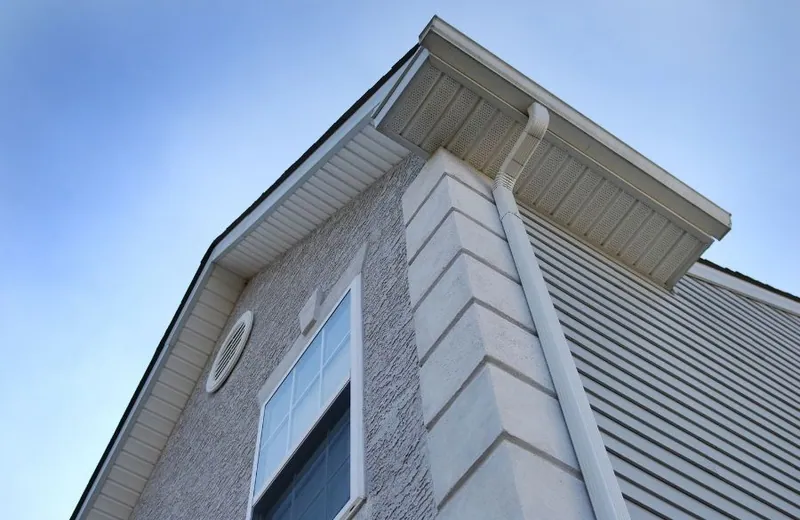
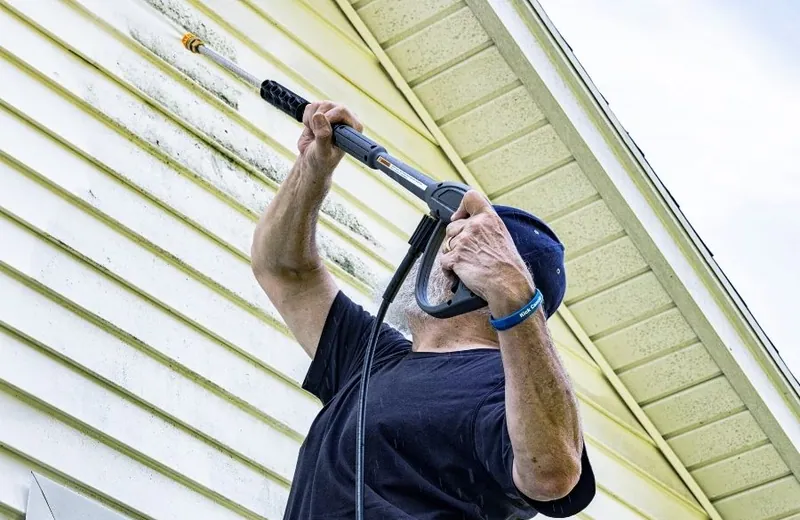
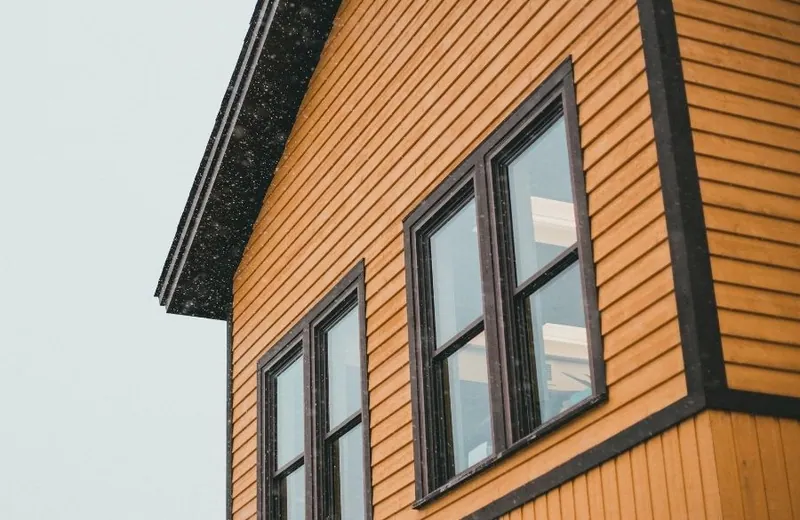
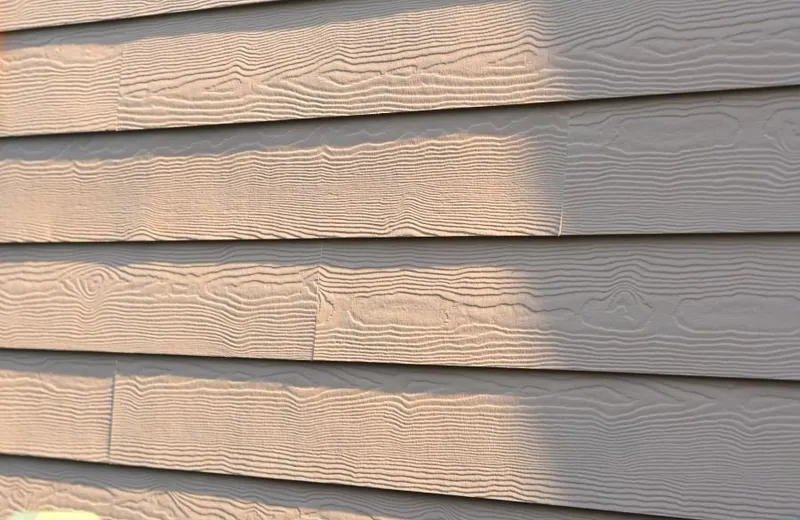
Recent siding Projects in Temple, TX
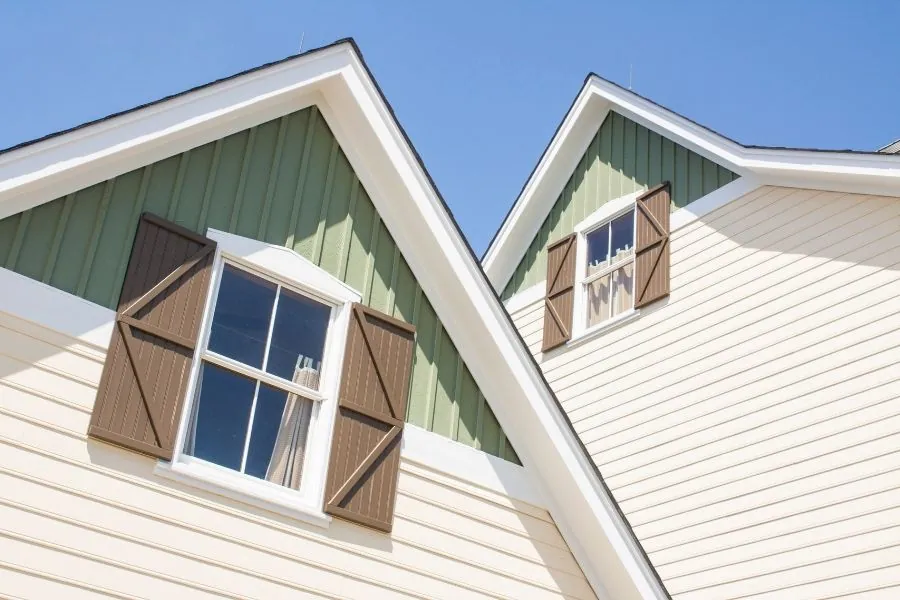
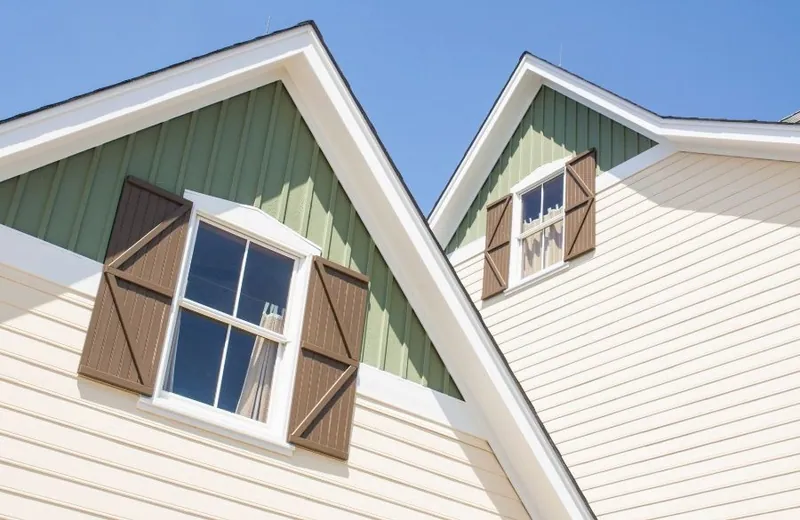
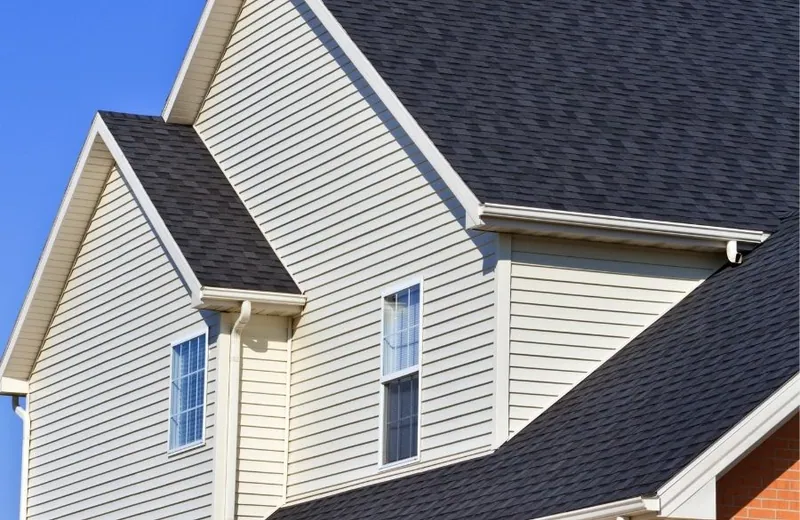
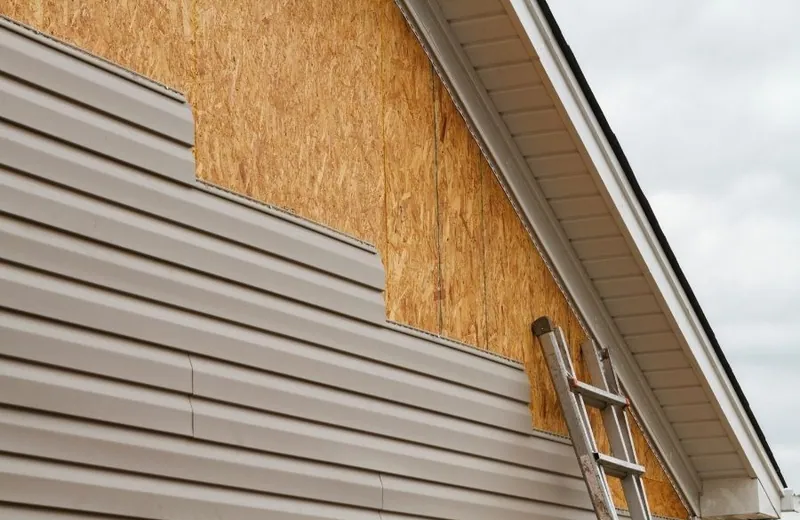
Siding Questions From Temple Homeowners
How much does it cost to replace siding on a house in Temple?
Most full replacements in Temple cost between about $11,000 and $42,000. Where you land depends mostly on material and size. A single-story ranch re-sided in heat-resistant vinyl is usually at the low end. A 2,000 sq ft home converted from old hardboard to James Hardie with painted trim is at the high end. Brick-front homes that only need gables, soffit and fascia often cost $6,500–$13,000. Hidden sheathing rot is the biggest wildcard, so we include a clear allowance in every detailed estimate. Financing is available.
What's the best siding for Temple's hail and heat?
For most Temple homes, fiber cement such as James Hardie is the best all-around choice. It handles hail better than standard vinyl, won't melt from reflected sunlight, resists termites and holds a factory finish in strong UV. Engineered wood is a good mid-priced option with solid impact resistance. If you want vinyl, choose a thicker, heat-resistant panel in a lighter color, especially on west and south walls. We'll go through the trade-offs for your house and budget during your consultation.
How long does a siding project take?
Most residential projects take 3–10 working days once we're on site. Small repairs or a gable-and-soffit job often finish in 1–3 days. A whole-house tear-off with sheathing repair on a two-story home takes longer. Before we start, allow 1–3 weeks for permits, HOA approval and material delivery. Spring storm season can slow scheduling across the area. Heavy rain and extreme afternoon heat may shift work hours, but we'll keep you updated.
Do I need a permit to replace siding in Temple or Belton?
Often, yes. The City of Temple and the City of Belton require permits for exterior work beyond minor repairs, including re-siding that involves sheathing or structural changes. Both enforce the International Residential Code for weather barriers, flashing and clearance to grade. Many smaller towns and unincorporated areas have lighter rules or none. HOAs in newer Temple, Belton and Salado subdivisions may also require architectural approval of material and color. Designated historic properties may need extra review. We'll tell you what applies to your address.
Will insurance pay for hail-damaged siding?
Many homeowners policies cover hail damage to siding, but many Bell County policies have a percentage-based wind/hail deductible, so check yours first. We inspect and photograph the damage, measure the affected walls and can meet with your adjuster. If your vinyl color or profile has been discontinued and a patch won't match, we'll document that clearly, because it can affect whether a full wall is replaced. Be careful with out-of-town storm crews who show up after a big hailstorm.
How can I make my siding last longer on clay soil?
Keep water and soil away from the bottom of your walls. Keep at least several inches of clearance between the siding and the soil or mulch, and aim sprinklers away from the walls. Make sure gutters and downspouts carry water well away from the slab. Water the foundation evenly during drought to limit how much the clay moves. Recaulk open joints at brick and trim each year, and look for termite mud tubes. Inspect after every major spring hailstorm.
When should I replace siding instead of repairing it?
Repair makes sense when damage is limited to a few panels or boards and the wall behind them is dry and solid. Replacement is usually the better call when hardboard or T1-11 is swollen along most of the bottom courses, when you find soft sheathing or termite damage in several places, when hail damaged more than one elevation, or when you can't match the existing color or profile. Act quickly if you notice musty smells, stained interior drywall or siding that feels soft. Those are signs water is already in the wall.
Can you work on older homes with lead paint or asbestos siding?
Yes. Many homes near Historic Downtown Temple and in older parts of Belton were built before 1978 and may have lead paint, so we plan those jobs around EPA lead-safe practices. Mid-century homes often have asbestos-cement shingles, which have to be handled and disposed of under Texas and federal rules. We identify suspected materials during the inspection and include the proper handling steps in your estimate. On historic homes, we can replicate original wood profiles to keep the house's character.
Serving Temple, TX & Nearby
Schedule Your Temple Siding Estimate Today
Whether hail cracked your vinyl, your hardboard is rotting at the bottom or your eaves are peeling, it's cheaper to fix it now than after the next storm season.
- ✓On-site inspection, including checks for hidden rot and moisture
- ✓Detailed, itemized written estimate
- ✓Color and material guidance for Texas heat and hail
- ✓Help documenting storm damage for insurance claims
- ✓Bonded and insured crews
- ✓Financing available on larger projects
- ✓Clean job site and final walkthrough
⚡ Storm-torn siding or exposed sheathing? Call us after spring hail or wind so we can help secure the wall before the next rain.
Bonded • Insured